By Chris Davis
October 15, 2026
The automotive landscape has undergone a transformation, shifting from mechanical dominance to computerized integration. Modern vehicles rely on networks of sophisticated sensors, control modules, and extensive wiring harnesses. This ongoing evolution necessitates a profound understanding of advanced diagnostics and precise intervention. When systems malfunction, technicians must perform electrical auto repairs to restore full functionality. Without intervention, minor glitches escalate into catastrophic hardware failures.
Navigating this computerized environment requires specialized diagnostic tools and technical knowledge. Modern automobiles function as rolling computers, managing details from precise engine timing to climate control. The overarching complexity dictates that traditional mechanical fixes fall short of solving fundamental issues. Technicians must embrace modern methodologies to address these malfunctions. Comprehensive electrical auto repairs ensure that vehicles operate with utmost safety and maintain peak performance.
Understanding Modern System Intricacies
Modern vehicles incorporate an array of interconnected electronic control modules located throughout the chassis. These independent modules communicate over dedicated data buses, sharing operational information required for smooth driving dynamics. A disruption in this vital network causes erratic behavior across unrelated systems. Technicians must trace these pathways to pinpoint the root cause. Effective electrical auto repairs demand a thorough comprehension of these data networks.
The seamless integration of advanced driver assistance systems adds another substantial layer of complexity. Features like lane departure warnings, adaptive cruise control, and collision avoidance rely on uninterrupted sensor communication. A faulty wire or damaged radar sensor renders these crucial safety features inoperative. Mechanics must possess a profound understanding of how peripheral systems interact with core functions. They diagnose underlying issues without compromising structural integrity.
Power distribution plays a crucial role in modern automotive electronic architecture. The alternator, battery, and integrated voltage regulators must work in perfect harmony to supply steady direct current. Voltage fluctuations damage sensitive electronic microprocessors and trigger false dashboard warning lights. Technicians analyze the power generation circuit to isolate areas of high resistance. They verify that every control module receives the exact voltage required to function.
Sensors act as the critical eyes and ears of the centralized vehicle management system. They monitor operational parameters ranging from ambient oxygen levels to the precise rotational speed of individual wheels. If a solitary sensor relays incorrect data, the central computer makes flawed decisions regarding fuel delivery. Diagnosing specific anomalies requires technical acumen. Mechanics evaluate live sensor outputs against baseline parameters to identify faulty units.
Diagnosing Advanced Component Failures
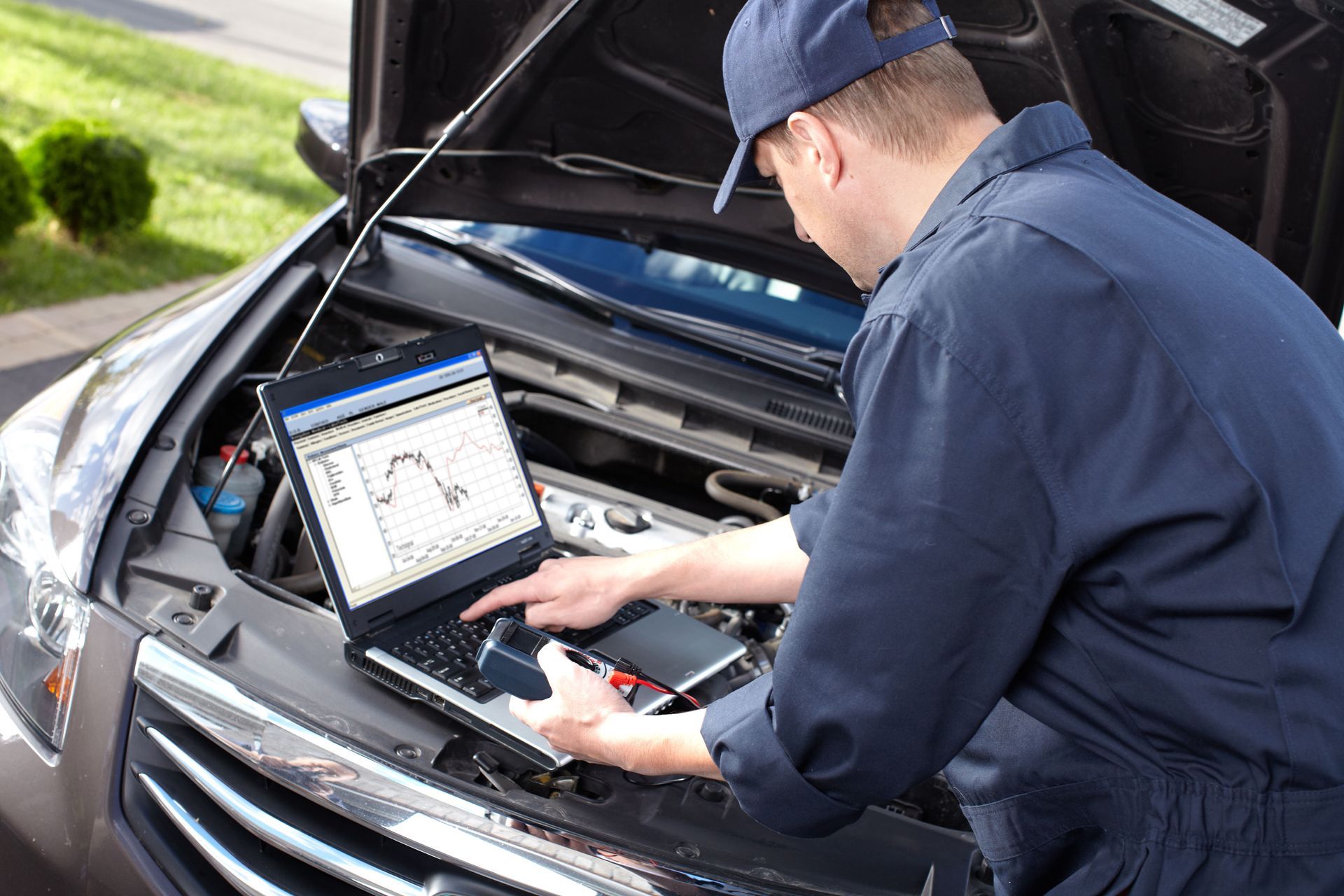
Identifying the source of a component malfunction remains a challenging aspect of modern automotive service. Technicians begin this process by interfacing with the onboard diagnostic port to retrieve stored trouble codes. These alphanumeric codes provide a valuable starting point but fail to pinpoint exact hardware failures. Mechanics interpret this vast influx of data and formulate a logical diagnostic strategy. They perform manual tests to isolate the definitive cause.
The tools required for this diagnostic process have evolved at an astonishing rate. According to S&S Insider, the Automotive Diagnostic Tool Market is expected to reach $51.32 billion by 2035. This massive financial projection underscores the complexity of current automotive electrical architecture. Specialized multi-channel oscilloscopes and high-impedance multimeters allow technicians to visualize electronic signals. They monitor specific voltage waveforms to detect minute irregularities indicating internal wear.
Actuators and solenoids translate low-voltage electrical commands into deliberate physical actions within the drivetrain. These robust components control critical mechanical functions like high-pressure fuel injection and variable transmission gear shifts. When a primary actuator fails, resulting drivability issues present as immediate disruptions to the driver. Technicians must verify whether the failure lies within the internal actuator coil or the wiring circuit. They conduct pinpoint voltage tests.
Executing proper electrical auto repairs requires patience and a systematic approach. Technicians cannot rely on outdated guesswork when dealing with sensitive, interconnected computer modules. Replacing expensive electronic parts based on unverified assumptions leads to unnecessary costs and unresolved performance issues. A rigorous diagnostic tree guides the dedicated mechanic through a series of logical testing steps. This methodical verification process ensures the underlying problem is resolved.
Resolving Complex Wiring Malfunctions
Complex wiring harnesses serve as the central nervous system of any modern automobile. Miles of insulated copper wire snake through the metal chassis, connecting every remote sensor and independent module. These essential wires endure extreme engine heat, constant road vibration, and significant moisture over their functional lifespan. Insulation degradation leads to devastating short circuits and hidden parasitic power draws. Technicians inspect physical harnesses for thermal degradation.
Galvanic corrosion remains a persistent enemy of automotive circuitry. Moisture intrusion at exposed connection points creates elevated electrical resistance, impeding the smooth flow of current. High resistance causes connected components to operate in an erratic manner or fail altogether. Mechanics must clean and protect vulnerable pin connectors to restore proper electrical conductivity across the circuit. They apply specialized dielectric grease to prevent future moisture intrusion.
Locating a broken strand of wire hidden deep within the vehicle structure is a tedious task. Technicians utilize detailed factory wiring diagrams to trace the physical routing of the affected circuit. They test for electrical continuity at various intermediate junction points to narrow down the precise location. Executing precise electrical auto repairs involves cutting, splicing, and heat-sealing the damaged section. This restores the vital communication link.
Deteriorated grounding issues are responsible for a large percentage of unexplained automotive glitches. A poor chassis ground connection forces electrical current to seek alternative paths, causing unrelated accessory systems to malfunction in unison. Technicians verify the structural integrity of all main chassis and engine block ground straps during preliminary inspections. They ensure bare metal contact and verify secure mechanical fastening. Proper grounding stabilizes the entire electrical architecture.
Maintaining Essential Software Integrations
Physical hardware is a fraction of the modern automotive operational equation. Complex proprietary software dictates how every control module interprets incoming data and executes outgoing commands. Manufacturers release revised software updates to correct persistent bugs and improve overall drivetrain performance. Technicians interface with the vehicle communication network to flash these crucial updates into existing modules. This process requires a stable power supply and specialized programming interfaces.
Replacing a defective control module is no longer a simple mechanical operation. New replacement modules come from the parts distributor as blank units and require extensive programming to function within a specific vehicle architecture. Technicians download the correct calibration files from the manufacturer portal and install them into the new hardware component. They perform mandated relearn procedures to synchronize the module with the network, ensuring proper system functionality.
Advanced security gateways block unauthorized digital access to the internal vehicle data network. These protective firewall measures prevent malicious outside interference with critical braking and steering systems. However, they add a significant layer of difficulty to routine maintenance procedures and basic trouble code diagnostics. Technicians must acquire necessary digital credentials and authentication tokens to bypass these secure gateways. Authorized factory access is mandatory for deep system diagnostics.
Intelligent battery management systems require special attention during routine maintenance and component replacement. When a depleted battery is replaced, the central engine computer must be informed of the change to adjust charging voltage. Failure to register a new battery leads to severe overcharging and premature failure. Technicians utilize advanced diagnostic equipment to reset the internal battery history and adapt the charging strategy, maximizing the lifespan.
The bygone era of simple mechanical fixes and intuitive visual diagnostics has passed into automotive history. Current-generation vehicles demand a sophisticated and educated approach to routine maintenance and comprehensive service. The intricate web of interconnected modules, sensitive digital sensors, and proprietary software requires modern technicians to possess extensive knowledge. Attempting to bypass these strict requirements compromises safety and reliability. Quality electrical auto repairs remain essential for keeping modern automobiles functioning. When your modern vehicle experiences complex system malfunctions, let our team at Master Tech Auto Electric resolve them efficiently. Reach out to us today to schedule your electrical auto repairs so we can restore your car's peak performance.